What to Look for in a Pediatric Dentist
Choosing who cares for your child’s smile is a bigger decision than most parents expect. What to look for in a pediatric dentist comes down to specialized training, a team that knows how to talk to kids, and a dental home that fits your family’s schedule and budget.
Once you know which questions to ask, though, the choice gets a lot simpler.
What Is a Pediatric Dentist (and How Are They Different)?
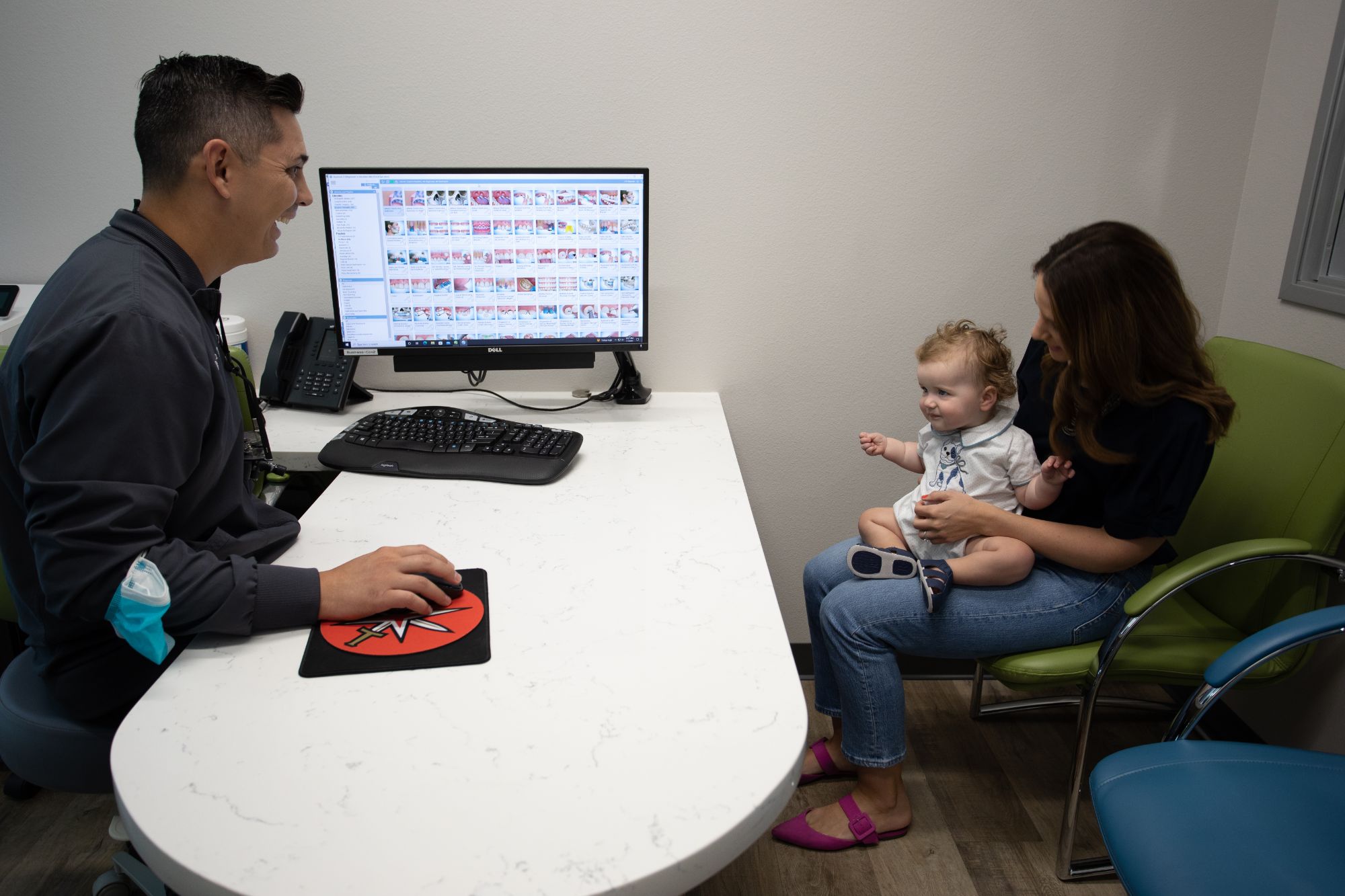
A pediatric dentist is a dental specialist who completes two to three years of residency training after dental school, focused entirely on infants, children, teens, and kids with special healthcare needs. That training covers child behavior guidance, growth and development, and age-appropriate treatment for growing smiles.
General dental school teaches how to care for teeth. Pediatric residency teaches how to care for children.
Here’s what that specialized training actually includes:
- Behavior guidance for kids who are nervous, wiggly, or too young to follow directions
- Growth and development so early crowding, bite issues, and airway concerns get caught while they’re still easy to guide
- Special healthcare needs care for children with sensory sensitivities, medical complexity, or developmental differences
- Sedation dentistry training and the safety protocols that go with it
- Trauma management for the knocked-out tooth on a Saturday afternoon
Board certification through the American Board of Pediatric Dentistry (ABPD) is an added credential worth asking about. It means the specialist voluntarily completed written and oral examinations beyond licensure and keeps up with ongoing requirements.
And the dental home itself looks different. Smaller instruments, shorter visits, brighter spaces, and a team trained to explain everything in kid-friendly language rather than clinical terms.
How to Choose a Pediatric Dentist: Step by Step
Finding the right fit is mostly a matter of working through a short checklist. Take these six steps in order.
1. Verify credentials, residency training, and state licensure
Confirm the specialist completed a pediatric dental residency and holds an active Nevada license. Look for memberships in the AAPD (American Academy of Pediatric Dentistry), ABPD, ADA, and NDA (Nevada Dental Association). Those affiliations signal ongoing education and accountability.
2. Read reviews for patterns, not one-off complaints
Skim Google reviews for repeated themes: Was the team patient with a scared four-year-old? Did visits start on time? Did parents feel like their questions were answered without being rushed?
3. Tour the dental home before treatment starts
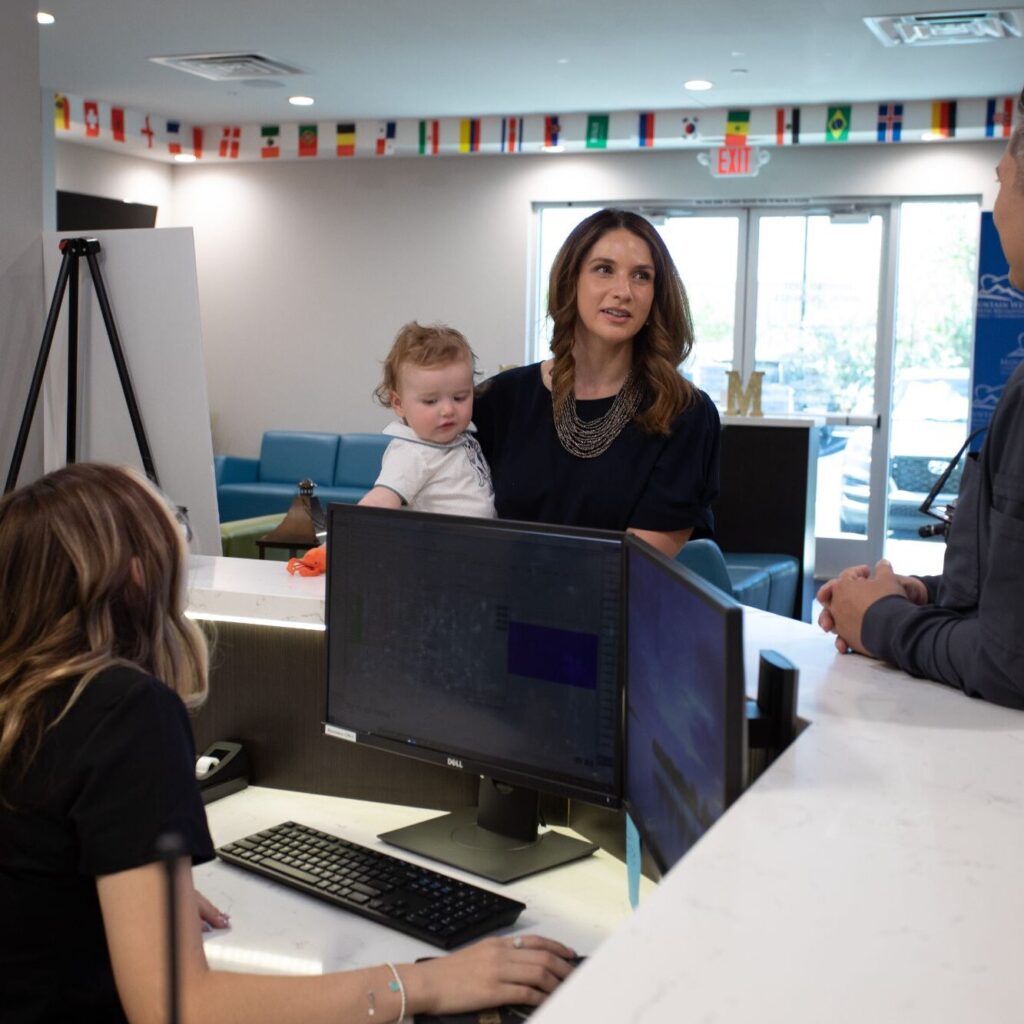
Many families schedule a meet-and-greet or a free consult first. Watch how the team greets your child at the door. That first thirty seconds tells you a lot.
4. Ask about emergency availability
Kids chip teeth on playground equipment and pool decks. Find out who answers the phone after hours, how quickly you can be seen, and whether the same specialist handles emergencies.
5. Confirm insurance, payment options, and written estimates
Ask whether the office is in-network with your plan, whether you’ll receive a written treatment estimate before anything begins, and what payment plans exist. Zero-interest in-house financing and membership plans can make a real difference for growing families.
6. Watch how your child responds during the first visit
This is the step parents skip, and it’s the most telling one. Does your child relax? Do they leave willing to come back? A great clinical outcome means very little if your child dreads every visit.
Benefits of Choosing a Pediatric Specialist for Your Child
Kids aren’t small adults, and the difference shows up in the details.
- Anxiety comes down. Behavior guidance techniques like tell-show-do, positive reinforcement, and voice control help children feel in control instead of ambushed. Kids who feel safe at the dental home tend to keep going as adults.
- Problems get caught early. Decay between baby molars, crowding, mouth breathing, airway concerns, and tongue-tie restrictions are all easier to address before they compound. Early intervention can save time, money, and hassle down the road.
- Instruments and imaging are sized for kids. Child-sized tools fit small mouths comfortably, and radiographs follow age-appropriate protocols with protective shielding.
- Prevention gets real attention. Sealants on newly erupted molars, fluoride applications, custom sport mouthguards, thumb-sucking guidance, and coaching for parents on brushing a squirmy toddler’s teeth.
- Referrals stay coordinated. When orthodontic or surgical care is needed, a pediatric specialist already knows the growth history and can hand off records without you repeating the story.
At Mountain West Dental Specialists, that last point happens under one roof. Dr. Keaton Tomlin, D.M.D. handles kid’s dentistry while Dr. Allison Tomlin, D.M.D., M.S. handles orthodontics, so your child’s growth records, imaging, and treatment timing all live in one place.
Pediatric Dentist vs. General Dentist: Which Is Right for Your Child?
Both can care for children. The difference is depth of training and how the day is built around kids.
| Pediatric Dental Specialist | General Dentist | |
|---|---|---|
| Training after dental school | 2-3 years of pediatric residency | None required beyond dental school |
| Ages treated | Infancy through the teen years | All ages, kids included |
| Sedation dentistry options | Trained in nitrous oxide, oral sedation dentistry, and general anesthesia protocols | Varies widely by office |
| Dental home setting | Designed for children; team trained in behavior guidance | Designed for a general adult and family population |
| Special healthcare needs | Core part of residency training | Varies by individual training |
| Growth and orthodontic timing | Routinely monitored | Often referred out |
A general dentist may be plenty for a cooperative older child who needs routine cleanings, has no history of decay, and handles visits without worry.
A pediatric specialist matters more when your child is a toddler, gets anxious in the chair, has sensory or medical needs, or needs extensive treatment that requires sedation dentistry.
One more consideration: offices that provide both kid’s dentistry and orthodontics simplify long-term planning. You’re not chasing records across town when it’s time for a free ortho consult.
What Affects the Cost of Pediatric Dental Care
The cost of kid’s dentistry depends mostly on the type of visit, not the child’s age. Preventive visits like exams, cleanings, fluoride, and sealants sit at the lower end. Restorative treatment, radiographs, and sedation dentistry add cost. Insurance coverage and in-network status often make the biggest difference in what your family actually pays.
| Cost Driver | What Changes the Price |
|---|---|
| Visit type | Preventive exams and cleanings cost less than fillings, crowns, or extractions |
| Radiographs | Frequency and type (bitewings vs. panoramic vs. Cone Beam CT imaging) |
| Preventive add-ons | Sealants and fluoride are typically billed separately from the cleaning |
| Sedation dentistry | Nitrous oxide is the most affordable level; oral sedation dentistry and general anesthesia cost more |
| Insurance | In-network status, annual maximums, and waiting periods |
| Payment structure | Membership plans, flexible pricing, and zero-interest in-house financing |
Because fee schedules vary by carrier and by the type of treatment involved, ask for a range before you commit to anything. A preventive visit that includes an exam, a cleaning, and fluoride typically falls within a reasonable local price range, while restorative treatment such as a filling or a stainless steel crown usually lands higher. Sedation dentistry is billed separately from the treatment it supports.
Insurance shapes the number in ways that are easy to overlook. Many children’s plans cover two preventive visits a year at or near full benefit, then cover restorative treatment at a lower percentage once a deductible has been met. Annual maximums, waiting periods on major treatment, and network status all move the total, and a plan that looks generous on paper can still leave a balance once a crown or sedation dentistry enters the picture.
Two habits protect your budget more than anything else.
First, ask for a written treatment estimate before treatment begins, not after. Second, request a pre-authorization from your insurance carrier for anything beyond routine preventive care so there are no surprises on the statement.
Mountain West Dental Specialists offers free consults, the pediatric advantage membership plan, and zero-interest in-house financing, so families can plan care around a real budget instead of guessing.
Is a Pediatric Dentist Right for Your Family? Signs to Look For
Some families know right away. Others are on the fence. These signs point clearly toward a pediatric specialist:
- Your child is under three. The AAPD recommends a first visit by the eruption of the first tooth or by the first birthday, whichever comes first. Toddler visits are a specialty skill.
- Dental fear is already present. If previous visits ended in tears or refusals, behavior guidance training changes the outcome.
- Your child has sensory needs or medical complexity. Autism, ADHD, cardiac conditions, and developmental differences all benefit from a team that plans for them.
- Your infant is struggling to feed. Difficulty latching, clicking during nursing, or a suspected tongue tie deserves an evaluation. Laser frenectomy is a quick, precise option when release is warranted.
- You want early orthodontic and airway screening. Snoring, mouth breathing, and crowding are all worth watching while jaws are still growing.
Practical factors count too. Consider the drive from home and school, whether hours work around class schedules, and how emergencies are handled on evenings and weekends.
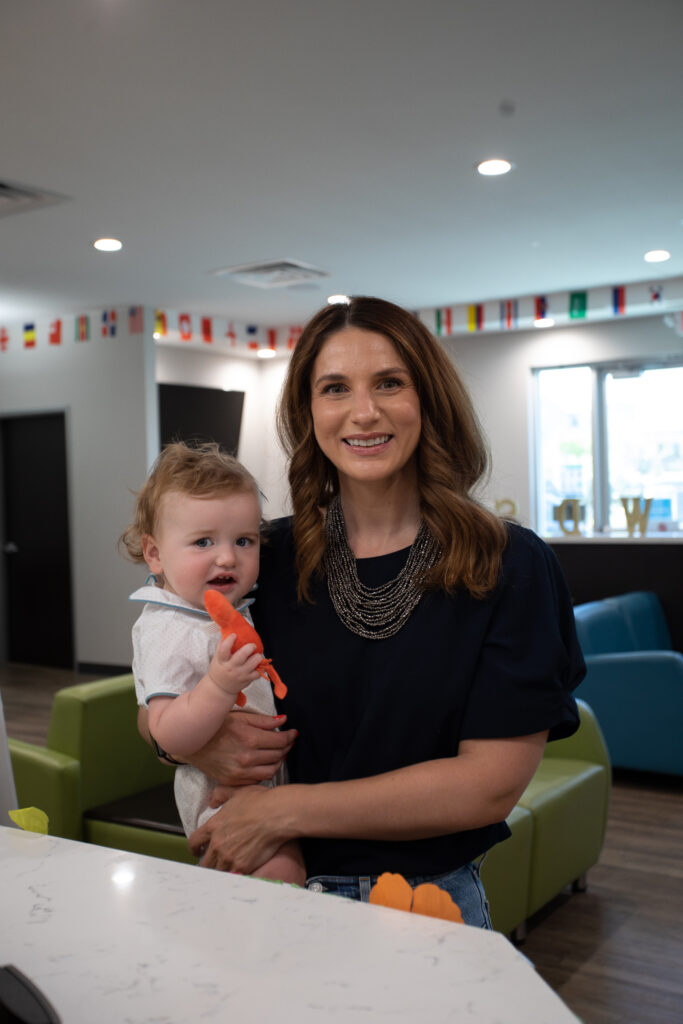
Every child deserves care built around their own needs, as unique as their smiles. At Mountain West Dental Specialists, Dr. Keaton Tomlin, D.M.D. and Dr. Allison Tomlin, D.M.D., M.S. provide kid’s dentistry and orthodontics together, backed by memberships in the ABPD, AAPD, ADA, NDA, and AAO. We’re family-owned and operated, from our family to yours, and a free consult is a low-key way to learn whether a specialist is the right match for your child before any treatment is scheduled.

Frequently Asked Questions About Choosing a Pediatric Dentist
How do I choose a pediatric dentist?
The most important thing to verify is training: confirm the specialist completed a pediatric dental residency, holds an active license, and belongs to organizations like the AAPD and ABPD. After that, evaluate the dental home in person and watch how your child responds to the team.
When should my child first see a dentist?
By the first tooth or the first birthday, whichever comes first. The AAPD and the ADA both recommend this timing so decay risk, feeding habits, and jaw development can be assessed early. Early visits are short, gentle, and mostly about getting your child comfortable.
What happens at a child’s first dental visit?
The first visit is usually brief and low-key. Expect a gentle exam of the teeth, gums, and bite, a discussion of brushing and diet habits, and a demonstration of home care technique. Very young children often sit knee-to-knee with a parent rather than alone in the chair.
How often should kids get dental cleanings?
Most children do well with a cleaning and exam every six months. Kids with a history of cavities, orthodontic appliances, or higher decay risk may benefit from visits every three to four months. Dr. Keaton Tomlin sets the interval based on your child’s individual risk, not a one-size-fits-all schedule.
Is dental sedation safe for children?
Sedation dentistry is considered safe when it’s provided by a trained specialist who follows AAPD monitoring guidelines and screens the child’s medical history first. Nitrous oxide is the lightest and most commonly used option. Ask your specialist which level is being recommended, why, and how your child will be monitored throughout.
Do baby teeth with cavities really need to be treated?
Yes. Baby teeth hold space for permanent teeth, support speech development, and let kids chew comfortably. Untreated decay can spread, cause infection, and lead to early tooth loss that shifts the permanent teeth out of position. Treating a small cavity early is far simpler than managing the consequences later.
When should my child be evaluated for braces?
Around age seven. According to the American Association of Orthodontists (AAO) and Dr. Allison Tomlin, that’s when enough permanent teeth have come in to spot crossbites, crowding, and jaw growth concerns. An early evaluation doesn’t always mean early treatment; often it just means monitoring.